news trading strategy Quotex
News Trading Strategy on Quotex: Economic Calendar, Fakeouts and Risk Rules
A practical Quotex news trading guide: how to read economic events, wait for cleaner entries, avoid fakeouts and protect capital during high volatility.
Key points
- News trading starts before the release: know the currency, time, forecast and expected volatility.
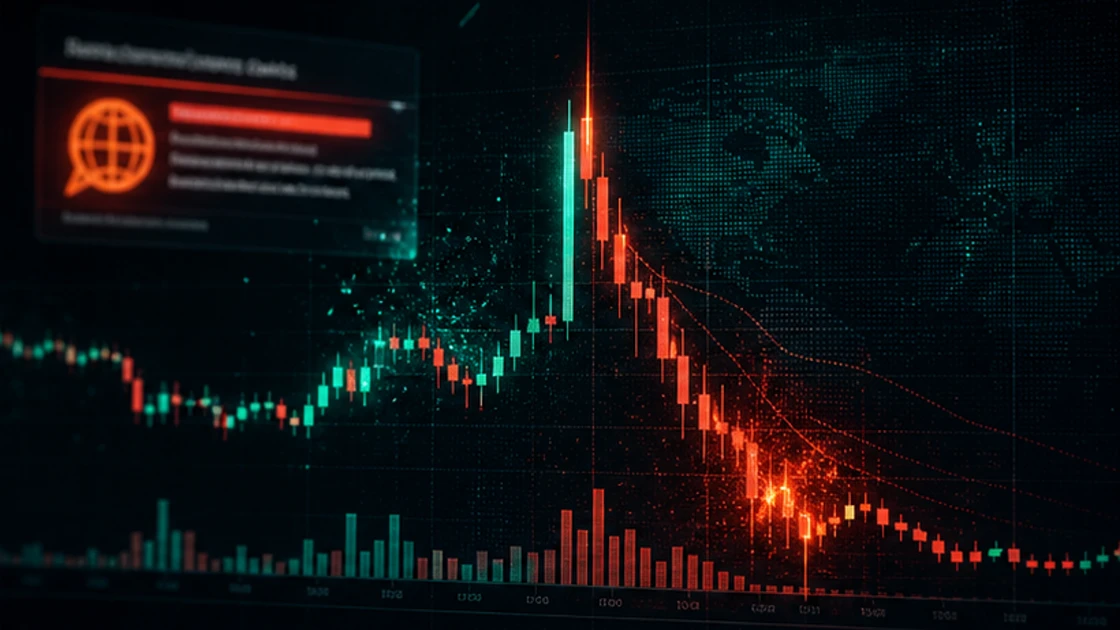
- The safest beginner model is not the first spike, but the reaction after the first emotional move.
- High-impact events such as CPI, NFP and interest rate decisions need smaller size and stricter rules.
- If the chart becomes unreadable, skipping the event is a valid trading decision.
1. What news trading means on Quotex
News trading is a short-term approach where a trader watches economic events and looks for a clear reaction on the chart. The event can create speed, but speed is not the edge. The edge comes from preparation: knowing what is being released, which asset can react, where price was before the news and what would make the setup invalid.
2. Build the calendar habit
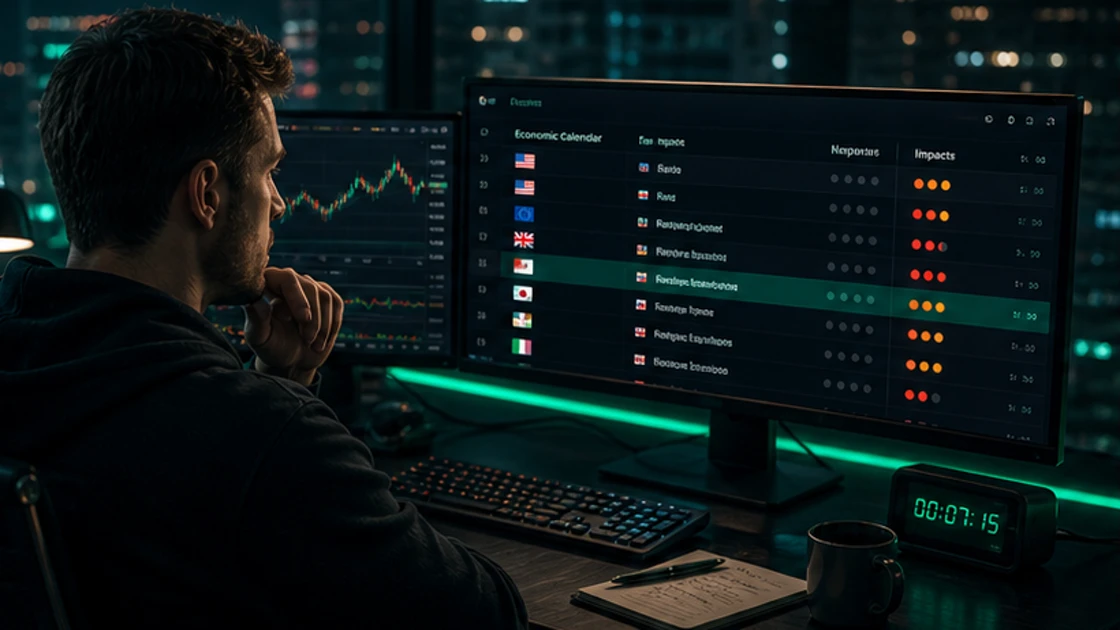
Open the economic calendar before the session and mark only high-impact releases. Focus on the event time, affected currency, previous value, forecast and actual number after publication. If you trade a pair connected to USD, for example, US inflation, jobs data and central bank comments can matter more than ordinary market noise.
3. Events worth watching first
Beginners should not chase every headline. Start with repeatable events: CPI, nonfarm payrolls, interest rate decisions, unemployment data, GDP updates and central bank speeches. These releases often bring liquidity, sharp candles and quick reversals, so they are useful for demo practice before any real-money decision.
4. A cleaner entry model
A practical model is simple: wait for the release, let the first impulse form, then watch whether price accepts the direction or snaps back. The second setup is usually clearer than the first candle. Look for a pullback, a retest of a level or a second candle that confirms the direction instead of entering during the first seconds of panic.
5. Fakeout filters
Many news moves start in one direction and reverse quickly. Filter them by asking three questions: did price break a real level, did the next candle hold that break, and is the payout worth the volatility risk? If one answer is unclear, stay on demo or skip. A missed trade is cheaper than a rushed trade during a spike.
6. Risk rules for news days
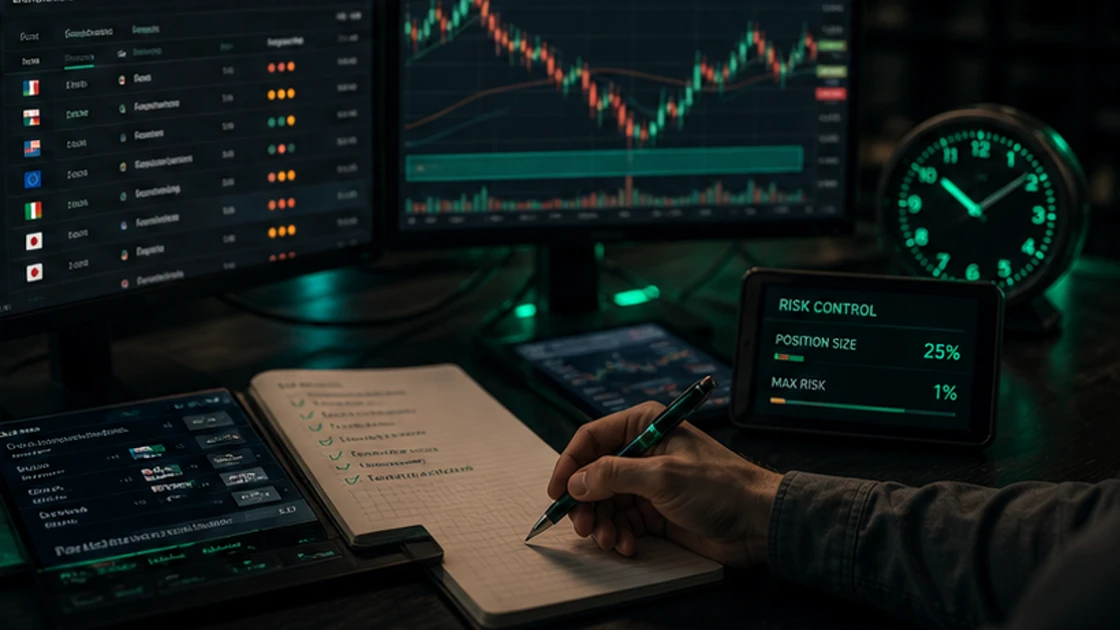
Use smaller amounts on news than on calm sessions. Set a maximum number of attempts, stop after emotional losses and write the event in a journal. The goal is not to predict every release; it is to build a repeatable routine where the trader can survive volatility long enough to learn from it.
Practical route for news trading strategy Quotex
Use this route after reading the guide. It turns news trading strategy Quotex into a repeatable routine: one idea, one chart check, one risk limit and one clear Quotex action instead of impulsive entries.
- A practical Quotex news trading guide: how to read economic events, wait for cleaner entries, avoid fakeouts and protect capital during high volatility.
- The safest beginner model is not the first spike, but the reaction after the first emotional move.
- Build the calendar habit
- Events worth watching first
Write the reason you opened this page in one sentence. Compare it with the guide's core point: News trading starts before the release: know the currency, time, forecast and expected volatility. If the reason is still vague, stay on demo and sharpen the rule before touching a live balance.
Open one asset and connect the idea with the section "What news trading means on Quotex". Do not jump between markets. A clean rehearsal means the same timeframe, the same expiration logic and the same condition for skipping the trade.
Before any real click, set the amount, the daily stop and the maximum number of attempts. Keep this filter beside the chart: Trading involves risk. Compare the platform, read the rules and never trade funds you cannot afford to lose. A strong trader protects attention first, capital second and ego never.
If the checklist still holds, use the most relevant path: Registration. If the context changes, compare it with Fast entry or Android app. The best route is the one that matches the reader's goal, not the loudest button.
Use the guide like a trading plan
A visitor searching for news trading strategy Quotex usually needs a direct answer, not hype. This guide connects that question with A practical Quotex news trading guide: how to read economic events, wait for cleaner entries, avoid fakeouts and protect capital during high volatility. and keeps the focus on the decision a beginner actually has to make next.
A calm trader does not turn one paragraph into a signal. Read the key points, compare them with the chart, then ask whether timing, amount and risk still agree. The strongest idea in this page is simple: News trading starts before the release: know the currency, time, forecast and expected volatility.
When the idea is clear, move in order: open the right Quotex route, practise the workflow on demo and only then decide whether Registration, Fast entry or Android app fits the session. If the rule feels rushed, the better decision is patience.
- The safest beginner model is not the first spike, but the reaction after the first emotional move.
- High-impact events such as CPI, NFP and interest rate decisions need smaller size and stricter rules.
- If the chart becomes unreadable, skipping the event is a valid trading decision.
- Trading involves risk. Compare the platform, read the rules and never trade funds you cannot afford to lose.
Quick answers
Is news trading good for beginners?
It can be useful on demo because volatility teaches timing quickly. With real money, beginners should use smaller size and very clear rules.
Which news events move markets most?
Inflation data, interest rate decisions, jobs reports, GDP updates and central bank speeches often create stronger reactions.
Should I enter before the news?
For most beginners, entering before the release is too close to guessing. Waiting for the first reaction usually gives more information.
Can news trading guarantee profit?
No. Economic news can create opportunity and risk at the same time, so position size and the ability to skip are essential.
How should a beginner use news trading strategy Quotex?
Treat news trading strategy Quotex as a decision filter, not as a signal by itself. Start with the page's main idea: News trading starts before the release: know the currency, time, forecast and expected volatility. Then check one chart, one timeframe and one amount on demo before any real-money step.
What should I check before applying What news trading means on Quotex?
Check whether the market still matches the section "What news trading means on Quotex", whether The safest beginner model is not the first spike, but the reaction after the first emotional move. is true on the chart and whether your amount fits the planned risk. If one part is missing, skipping is the professional choice.
Is news trading strategy Quotex enough to open a trade?
No. The topic can help you read the situation, but a trade still needs timing, expiry logic, risk limit and a reason to stay out. The useful line from this guide is: High-impact events such as CPI, NFP and interest rate decisions need smaller size and stricter rules.
Which Quotex route fits after this guide?
The clean next route is Registration. If the task is only access or device setup, compare it with Fast entry and Android app. The route should match the reader's intent, not pressure the trade.
Next step
Choose a topic by task: brokers for platform selection, guides for access, strategies for setups, risk for discipline and investing for longer market logic.