
Trading glossary / Expiry time
Expiry time on Quotex
In simple words, Expiry time is a trading concept or habit that helps prepare a calmer decision before opening a position. Trade duration, candle rhythm, entry timing and avoiding random clicks.
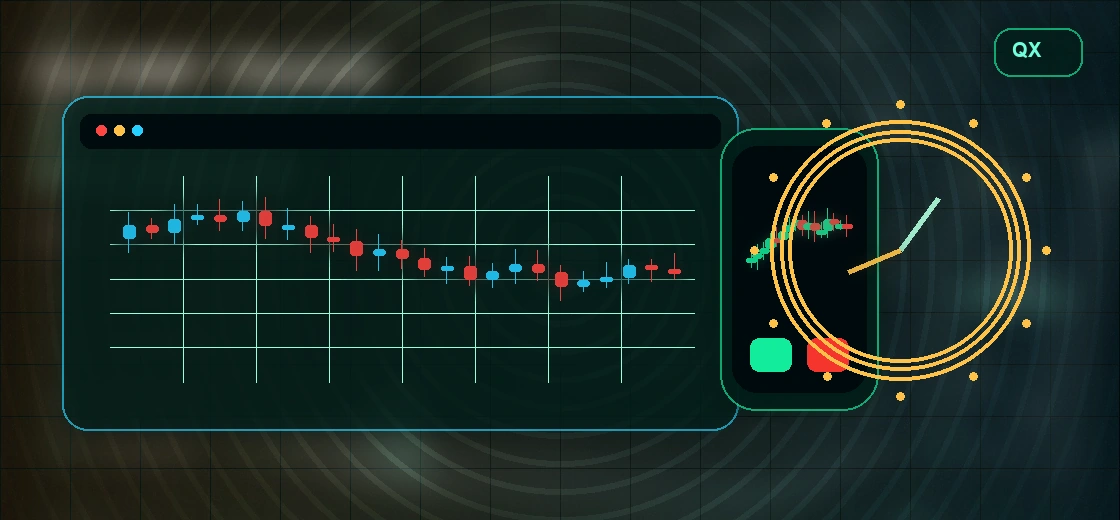
Practise the term on Quotex
Open demo first, keep the trade amount small and use real money only when the term is clear in a live chart context.
What it means
In simple words, Expiry time is a trading concept or habit that helps prepare a calmer decision before opening a position.
Why traders watch it
Traders watch Expiry time because it can turn a random click into a planned decision with context.
How to practise it
Practise it on demo by marking the idea before the trade, waiting for confirmation, and writing down what happened after expiry.
Expiry time: practical trader playbook
Read the chart before the word
Expiry time is useful only after the market context is clear. Start with trend, range, nearest level and recent candle speed, then decide whether trade duration, candle rhythm, entry timing and avoiding random clicks is actually present on the chart.
Separate signal from condition
A term can describe a market condition without being an entry signal. Treat Expiry time as one piece of evidence, then wait for price behaviour that confirms the idea.
Where the term matters most
The best examples usually appear near visible levels, after a clean pullback, around news volatility or when a move starts losing rhythm. In the middle of noisy candles, Expiry time often gives weaker information.
Common beginner mistake
The mistake is naming the term first and forcing a trade second. A stronger routine asks what must happen to make the idea invalid before any button is pressed.
Demo drill
Use a demo chart and collect at least twenty screenshots of Expiry time. Save the level, entry idea, expiry, result and one sentence explaining whether the decision was planned or emotional.
Risk rule
If the chart becomes too fast, the level is unclear or confirmation is missing, skip the setup. The best use of Expiry time is not more trades, but fewer trades with cleaner logic.
Quick checklist
- Mark trend or range before judging Expiry time.
- Check whether the term appears near a real reaction zone.
- Wait for confirmation instead of reacting to the first candle.
- Choose expiry from chart rhythm, not impatience.
- Keep trade amount fixed before the setup appears.
- Record the result and review whether the rule was followed.
Quick answers
Expiry time: What does it mean?
In simple words, Expiry time is a trading concept or habit that helps prepare a calmer decision before opening a position.
Should beginners practise this on demo?
Yes. Demo practice lets you understand the term without mixing learning with real-money pressure.
Is Expiry time a direct trading signal?
No. It is a market clue. A trade still needs context, confirmation, timing and risk control.
Can beginners use Expiry time?
Yes, but only with one simple rule on demo first. Do not combine many terms before the basic pattern is understood.
What confirms Expiry time?
A clean candle close, a held retest, a reaction from a level or momentum that supports the idea can confirm it.
When should I ignore Expiry time?
Ignore it during chaotic news candles, unclear ranges or when the trade is driven by revenge, boredom or fear of missing out.
Does Expiry time work on every asset?
No. Each asset has its own rhythm, payout changes and volatility. Test the term on the assets you actually trade.
How do I practise Expiry time properly?
Take demo screenshots, write the reason before entry and review the outcome after expiry. The review matters more than one lucky result.