candlestick patterns on Quotex
Candlestick Patterns on Quotex: How Beginners Can Read Candles Without Guessing
A practical Quotex candlestick patterns guide: doji, engulfing, pin bar, support and resistance, confirmation, timing and risk rules for beginners.

Quick answer
Candlestick patterns are not automatic signals. On Quotex, a candle becomes useful only when it appears at a meaningful level, agrees with market context and fits your risk plan. Read the pattern as a clue, then confirm before clicking.
- A candle pattern alone is weak; level, trend and timing give it meaning.
- Doji, engulfing and pin bar candles are easier to read when they appear near support or resistance.
- The biggest beginner mistake is entering late after a large candle because it feels obvious.
- Before trading a pattern, fix the amount and know the reason you will skip it.
1. Start with the story, not the name
New traders often memorize names first: doji, hammer, engulfing, pin bar. Names help, but the real skill is reading the story. A candle shows who pushed, who failed and where price reacted. If you only know the label, you can still enter a weak trade. If you understand the story, you can wait for better context.
2. Doji means pause, not prediction
A doji shows hesitation. Buyers and sellers both tried, but neither side finished with control. Near support or resistance, that pause can matter. In the middle of noise, it may mean almost nothing. Treat doji as a question mark, not as an automatic UP or DOWN idea.
3. Engulfing needs location
An engulfing candle looks powerful because one candle covers the previous body. Still, the best question is where it happens. At a known level after a tired move, it can show a shift in pressure. In the middle of a messy range, it may only be a loud candle with no clean edge.
4. Pin bar is rejection, but rejection needs follow-through
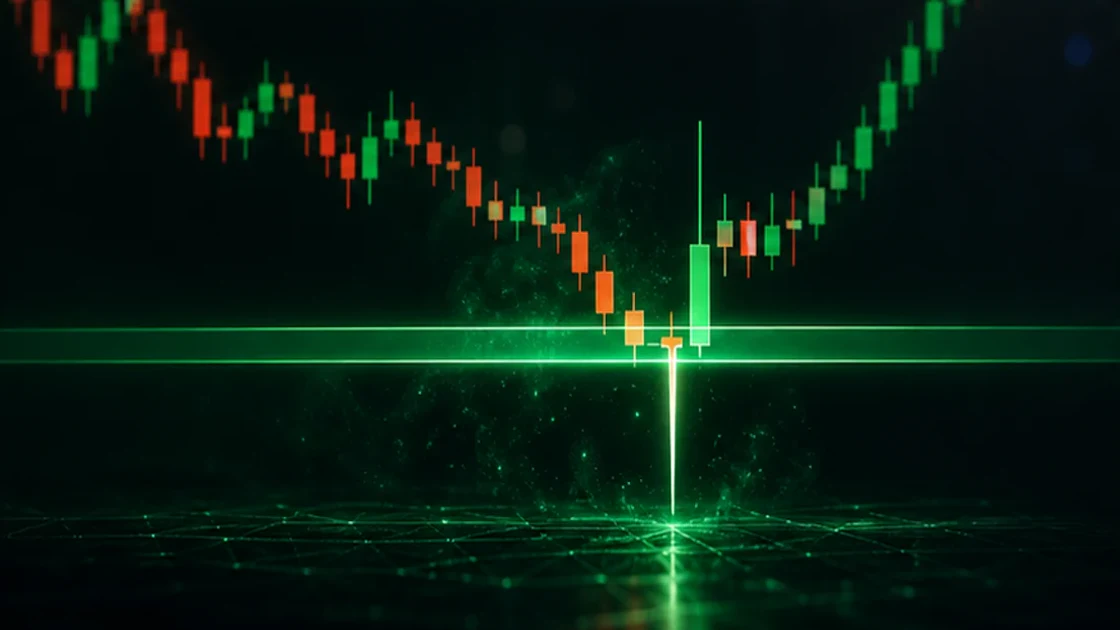
A long wick can show that price tested an area and got pushed back. That is useful only if the next candles respect the rejection. Beginners often click as soon as they see the wick. A calmer trader asks whether the level, trend and timing support the idea.
5. Confirm with support, resistance and trend
A pattern becomes stronger when it appears where traders already care: support, resistance, trend line, retest zone or session high and low. You do not need ten indicators. You need one clean reason for the candle, one clean amount and one clear moment to leave the idea alone.
6. Do not enter after the candle is already gone
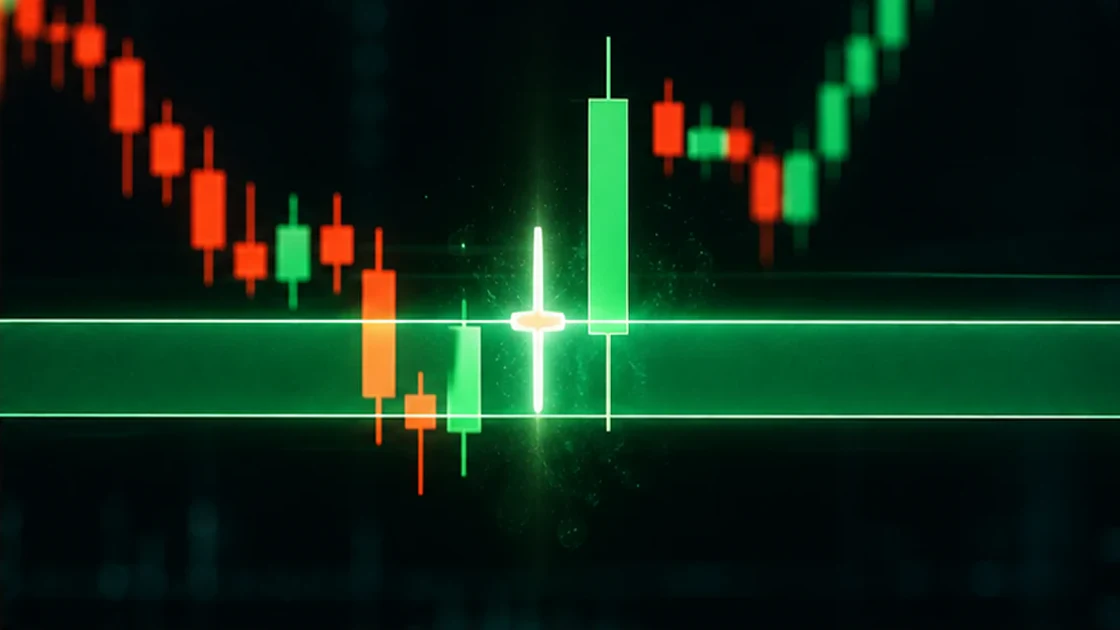
Late entries are expensive emotionally. A huge candle feels convincing, but by the time it closes, the easy movement may already be over. If the next entry would be based on fear of missing out, skip it or wait for a retest. Missing one candle is cheaper than chasing every candle.
7. Match the pattern with expiry and market speed
A candle pattern on a calm chart is different from the same pattern during news or fast session overlap. If the market is too fast, reduce the amount or wait. If the expiry feels random, the setup is not ready. The candle should fit the rhythm of the market, not fight it.
8. Keep a small pattern journal
Choose two or three patterns and track them for a week on demo: where they appeared, what level they touched, whether you entered early or late and what emotion you felt. After enough screenshots, you will stop hunting patterns and start recognizing conditions.
Practical route for candlestick patterns on Quotex
Use this route after reading the guide. It turns candlestick patterns on Quotex into a repeatable routine: one idea, one chart check, one risk limit and one clear Quotex action instead of impulsive entries.
- A practical Quotex candlestick patterns guide: doji, engulfing, pin bar, support and resistance, confirmation, timing and risk rules for beginners.
- Doji, engulfing and pin bar candles are easier to read when they appear near support or resistance.
- Doji means pause, not prediction
- Engulfing needs location
Write the reason you opened this page in one sentence. Compare it with the guide's core point: A candle pattern alone is weak; level, trend and timing give it meaning. If the reason is still vague, stay on demo and sharpen the rule before touching a live balance.
Open one asset and connect the idea with the section "Start with the story, not the name". Do not jump between markets. A clean rehearsal means the same timeframe, the same expiration logic and the same condition for skipping the trade.
Before any real click, set the amount, the daily stop and the maximum number of attempts. Keep this filter beside the chart: Trading involves risk. Compare the platform, read the rules and never trade funds you cannot afford to lose. A strong trader protects attention first, capital second and ego never.
If the checklist still holds, use the most relevant path: Registration. If the context changes, compare it with Fast entry or Android app. The best route is the one that matches the reader's goal, not the loudest button.
Use the guide like a trading plan
A visitor searching for candlestick patterns on Quotex usually needs a direct answer, not hype. This guide connects that question with A practical Quotex candlestick patterns guide: doji, engulfing, pin bar, support and resistance, confirmation, timing and risk rules for beginners. and keeps the focus on the decision a beginner actually has to make next.
A calm trader does not turn one paragraph into a signal. Read the key points, compare them with the chart, then ask whether timing, amount and risk still agree. The strongest idea in this page is simple: A candle pattern alone is weak; level, trend and timing give it meaning.
When the idea is clear, move in order: open the right Quotex route, practise the workflow on demo and only then decide whether Registration, Fast entry or Android app fits the session. If the rule feels rushed, the better decision is patience.
- Doji, engulfing and pin bar candles are easier to read when they appear near support or resistance.
- The biggest beginner mistake is entering late after a large candle because it feels obvious.
- Before trading a pattern, fix the amount and know the reason you will skip it.
- Trading involves risk. Compare the platform, read the rules and never trade funds you cannot afford to lose.
Quick answers
What candlestick patterns work best on Quotex?
No pattern works every time. Beginners usually understand doji, engulfing and pin bar more clearly when they combine them with support, resistance and risk control.
Is a doji candle a buy or sell signal?
No. A doji shows hesitation. It needs location and confirmation before it becomes useful.
Should I trade every engulfing candle?
No. Engulfing candles are stronger near meaningful levels and weaker in noisy ranges.
How can beginners practise candlestick patterns?
Use demo, take screenshots, mark support and resistance, and review whether the candle had context before the entry.
How should a beginner use candlestick patterns on Quotex?
Treat candlestick patterns on Quotex as a decision filter, not as a signal by itself. Start with the page's main idea: A candle pattern alone is weak; level, trend and timing give it meaning. Then check one chart, one timeframe and one amount on demo before any real-money step.
What should I check before applying Start with the story, not the name?
Check whether the market still matches the section "Start with the story, not the name", whether Doji, engulfing and pin bar candles are easier to read when they appear near support or resistance. is true on the chart and whether your amount fits the planned risk. If one part is missing, skipping is the professional choice.
Is candlestick patterns on Quotex enough to open a trade?
No. The topic can help you read the situation, but a trade still needs timing, expiry logic, risk limit and a reason to stay out. The useful line from this guide is: The biggest beginner mistake is entering late after a large candle because it feels obvious.
Which Quotex route fits after this guide?
The clean next route is Registration. If the task is only access or device setup, compare it with Fast entry and Android app. The route should match the reader's intent, not pressure the trade.
Next step
Choose a topic by task: brokers for platform selection, guides for access, strategies for setups, risk for discipline and investing for longer market logic.