how to start investing in 2026
How to Start Investing in 2026: a Practical Beginner Guide
A clear 2026 investing roadmap for beginners: goals, starter assets, demo practice, risk limits, common mistakes and the first disciplined steps.
Key points
- Start with a goal and a cash buffer before choosing any asset.
- Use demo practice to learn order flow, price movement and emotions without risking money.
- Keep the first plan small: one market, one budget, one risk limit and one journal.
- Do not mix long-term investing with short-term trading decisions in the same mindset.
1. Start with a goal, not a random asset
The beginner mistake is asking what to buy before asking why. A goal gives every decision a frame: time horizon, acceptable risk, monthly budget and the moment when you should stop. If the goal is a safety reserve, speculation is the wrong tool. If the goal is long-term growth, patience and diversification matter more than trying to catch every price move.
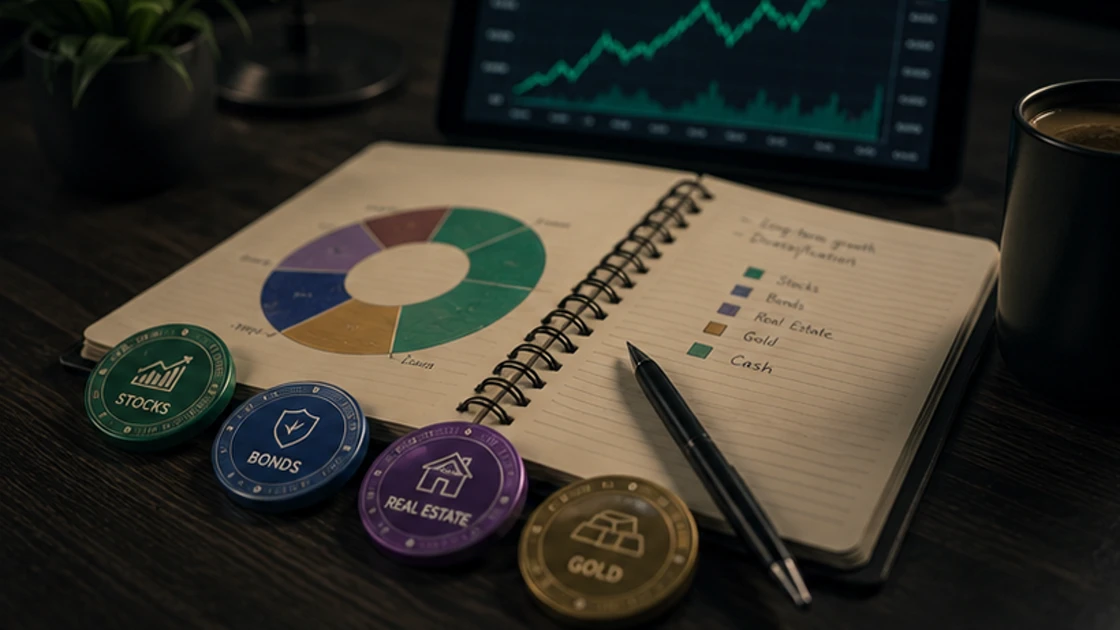
2. Build a simple starter portfolio
A balanced beginner plan usually starts with instruments that are easy to understand: broad funds or ETFs for diversification, stable stocks for learning business cycles, bonds or cash-like instruments for stability and only a small experimental part for high-volatility assets. The exact mix depends on your country, access and risk profile, so always check the available instruments and rules before depositing.
3. Use Quotex as a practice gateway
Quotex can be useful when you want a simple interface for observing charts, testing reactions and learning how fast decisions feel. Treat it as a training room first: open demo, pick one asset, watch how price behaves and write down why a setup makes sense. A platform is only a tool; the edge comes from rules, patience and risk control.
4. Risk rules before the first deposit
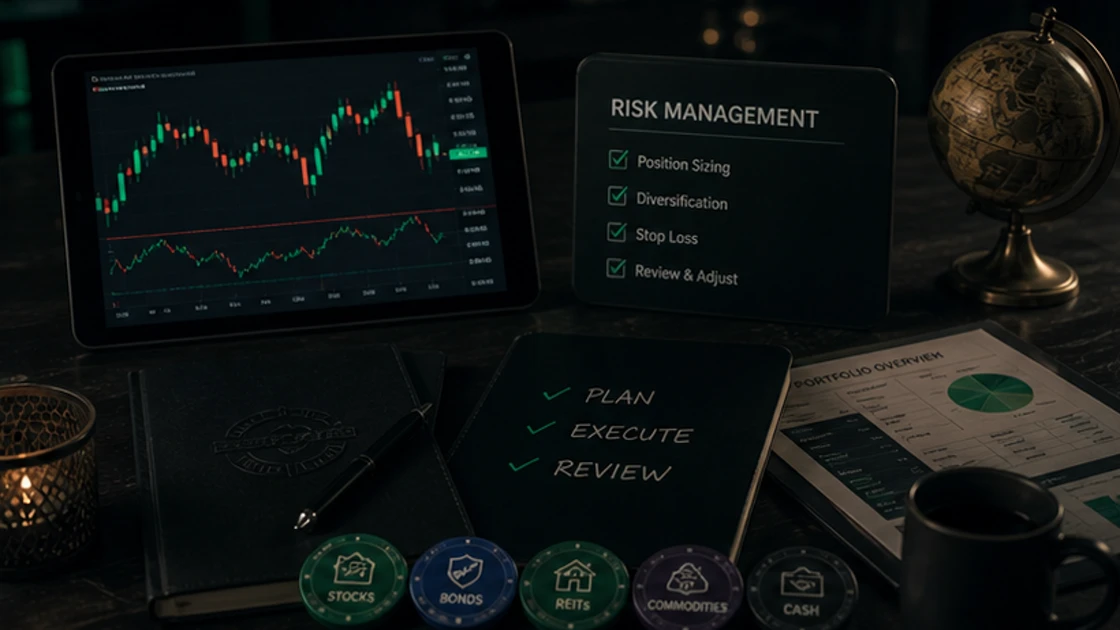
Before real money, define the maximum amount you can lose in a day, the size of one position and the reason that cancels a trade. Beginners should avoid using rent money, borrowed money or emergency savings. The best first deposit is not the largest one; it is the amount that lets you stay calm enough to follow the plan.
5. A 2026 workflow for the first month
Week one is for education and demo. Week two is for a watchlist and a written checklist. Week three is for small, controlled tests if the demo process is stable. Week four is for reviewing the journal: which trades followed the plan, which were emotional and which market conditions should be avoided next month.
6. Mistakes that quietly destroy beginners
Most losses do not come from one bad idea. They come from repeating small uncontrolled actions: increasing the amount after a loss, changing assets out of boredom, trading news without context, ignoring fees and conditions, or believing that a lucky streak is a strategy. Slow is not boring when it protects capital.
Practical route for how to start investing in 2026
Use this route after reading the guide. It turns how to start investing in 2026 into a repeatable routine: one idea, one chart check, one risk limit and one clear Quotex action instead of impulsive entries.
- A clear 2026 investing roadmap for beginners: goals, starter assets, demo practice, risk limits, common mistakes and the first disciplined steps.
- Use demo practice to learn order flow, price movement and emotions without risking money.
- Build a simple starter portfolio
- Use Quotex as a practice gateway
Write the reason you opened this page in one sentence. Compare it with the guide's core point: Start with a goal and a cash buffer before choosing any asset. If the reason is still vague, stay on demo and sharpen the rule before touching a live balance.
Open one asset and connect the idea with the section "Start with a goal, not a random asset". Do not jump between markets. A clean rehearsal means the same timeframe, the same expiration logic and the same condition for skipping the trade.
Before any real click, set the amount, the daily stop and the maximum number of attempts. Keep this filter beside the chart: Trading involves risk. Compare the platform, read the rules and never trade funds you cannot afford to lose. A strong trader protects attention first, capital second and ego never.
If the checklist still holds, use the most relevant path: Registration. If the context changes, compare it with Fast entry or Android app. The best route is the one that matches the reader's goal, not the loudest button.
Use the guide like a trading plan
A visitor searching for how to start investing in 2026 usually needs a direct answer, not hype. This guide connects that question with A clear 2026 investing roadmap for beginners: goals, starter assets, demo practice, risk limits, common mistakes and the first disciplined steps. and keeps the focus on the decision a beginner actually has to make next.
A calm trader does not turn one paragraph into a signal. Read the key points, compare them with the chart, then ask whether timing, amount and risk still agree. The strongest idea in this page is simple: Start with a goal and a cash buffer before choosing any asset.
When the idea is clear, move in order: open the right Quotex route, practise the workflow on demo and only then decide whether Registration, Fast entry or Android app fits the session. If the rule feels rushed, the better decision is patience.
- Use demo practice to learn order flow, price movement and emotions without risking money.
- Keep the first plan small: one market, one budget, one risk limit and one journal.
- Do not mix long-term investing with short-term trading decisions in the same mindset.
- Trading involves risk. Compare the platform, read the rules and never trade funds you cannot afford to lose.
Quick answers
Can I start investing with a small amount in 2026?
Yes. A small amount is often better for learning because it keeps emotions lower. The key is regularity, risk control and not using money you need for daily life.
Is Quotex enough for a beginner?
It can help with access and practice, especially on demo, but a beginner still needs a plan, risk limits and an understanding of the instruments available in their region.
What is the safest first step?
Build a cash buffer, study the basics and practice on demo before putting real money at risk.
Should I invest or trade first?
For many beginners, long-term investing principles are easier to learn first. Short-term trading requires faster decisions, stricter discipline and smaller risk.
How should a beginner use how to start investing in 2026?
Treat how to start investing in 2026 as a decision filter, not as a signal by itself. Start with the page's main idea: Start with a goal and a cash buffer before choosing any asset. Then check one chart, one timeframe and one amount on demo before any real-money step.
What should I check before applying Start with a goal, not a random asset?
Check whether the market still matches the section "Start with a goal, not a random asset", whether Use demo practice to learn order flow, price movement and emotions without risking money. is true on the chart and whether your amount fits the planned risk. If one part is missing, skipping is the professional choice.
Is how to start investing in 2026 enough to open a trade?
No. The topic can help you read the situation, but a trade still needs timing, expiry logic, risk limit and a reason to stay out. The useful line from this guide is: Keep the first plan small: one market, one budget, one risk limit and one journal.
Which Quotex route fits after this guide?
The clean next route is Registration. If the task is only access or device setup, compare it with Fast entry and Android app. The route should match the reader's intent, not pressure the trade.
Next step
Choose a topic by task: brokers for platform selection, guides for access, strategies for setups, risk for discipline and investing for longer market logic.