Quotex signals
Quotex Signals Guide: How to Read Trading Signals, Filter Noise and Avoid Risky Promises
A practical Quotex signals guide for beginners: signal quality, chart confirmation, expiry timing, demo testing, red flags and risk control.
Quick answer
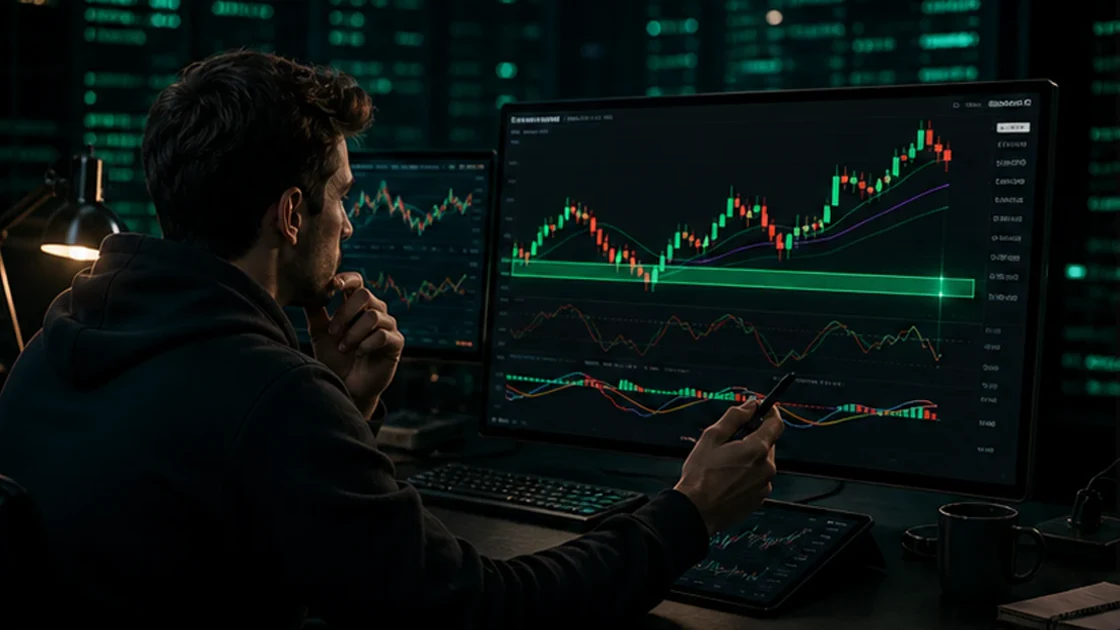
A Quotex signal should be treated as a trade idea, not as an order. A useful signal explains the asset, direction, timing, reason, confirmation and risk limit. If a signal only says 'enter now' or promises guaranteed profit, the disciplined answer is to slow down, check the chart and test it on demo before real money is involved.
- A signal is only useful when you understand why it appears.
- The best filter is context: trend, support/resistance, candle close, volatility and timing.
- Guaranteed profit, pressure to act fast and hidden signal sources are red flags.
- Demo tracking turns signals into practice instead of blind copying.
1. What a trading signal should really mean
A trading signal is a suggested market idea: an asset, a possible direction and a moment when conditions may be interesting. It is not a command. Good traders do not outsource the click. They use the signal as a prompt to read the chart, check the level, compare timing and decide whether the risk is acceptable.
2. Where Quotex signals can come from
Signals can come from indicators, price behavior, economic news, pattern scanners or trader communities. None of these sources is magic. An RSI turn can be late. A candle pattern can fail. A news impulse can reverse. A community alert can be emotional. The source matters, but the trader still needs confirmation.
3. Anatomy of a useful signal
A clean signal should answer six questions: which asset, which direction, which timeframe, what expiry logic, what reason and what invalidates the idea. If these pieces are missing, the signal is incomplete. A one-line alert may look fast, but speed without structure usually creates expensive guessing.
4. Signal is not the same as setup
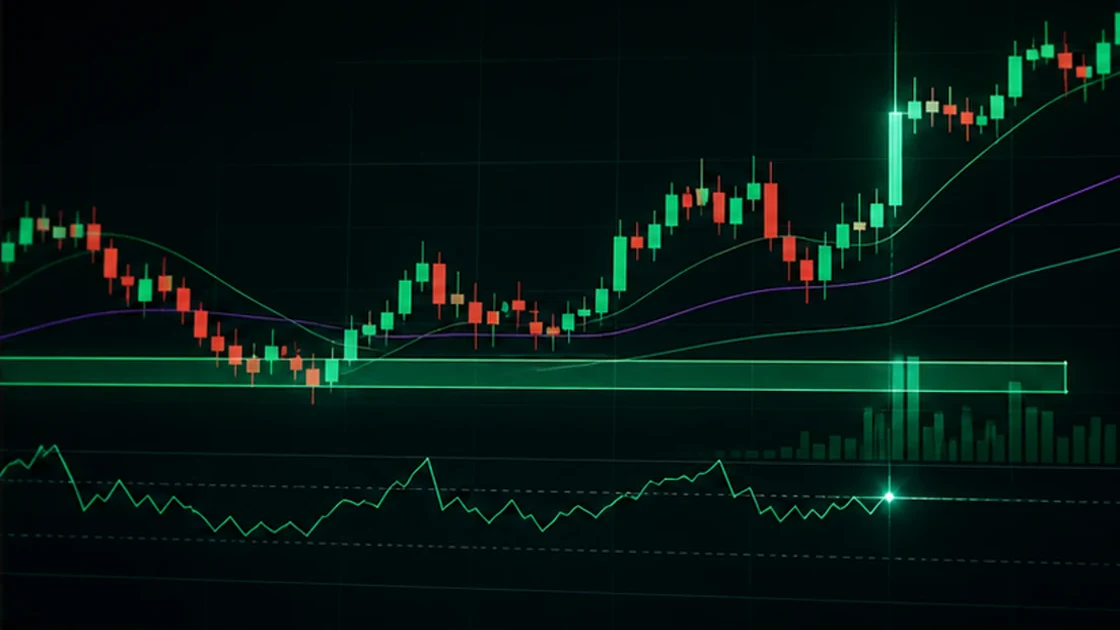
A signal says 'look here'. A setup says 'the chart agrees'. The difference is important. A strong setup usually has a level, a trend rhythm, a candle close, reasonable volatility and a risk amount chosen before entry. When the chart does not agree, skipping the signal is not fear. It is professional restraint.
5. Filters before the click
Before using any signal on Quotex, run a short filter. Is the market trending or ranging? Is price near support or resistance? Did the candle close cleanly? Is there a major news release? Is the expiry matched to the chart rhythm? Is the amount small enough that one loss will not damage your judgment? If one answer is unclear, the signal needs more patience.
6. Red flags in paid or social signals
Be careful with promises of guaranteed profit, screenshots without context, pressure to enter immediately, secret methods, oversized deposits, and groups that blame every loss on the user. Reliable trading education encourages questions and risk control. Hype tries to move your hand faster than your mind.
7. Demo routine for signal testing
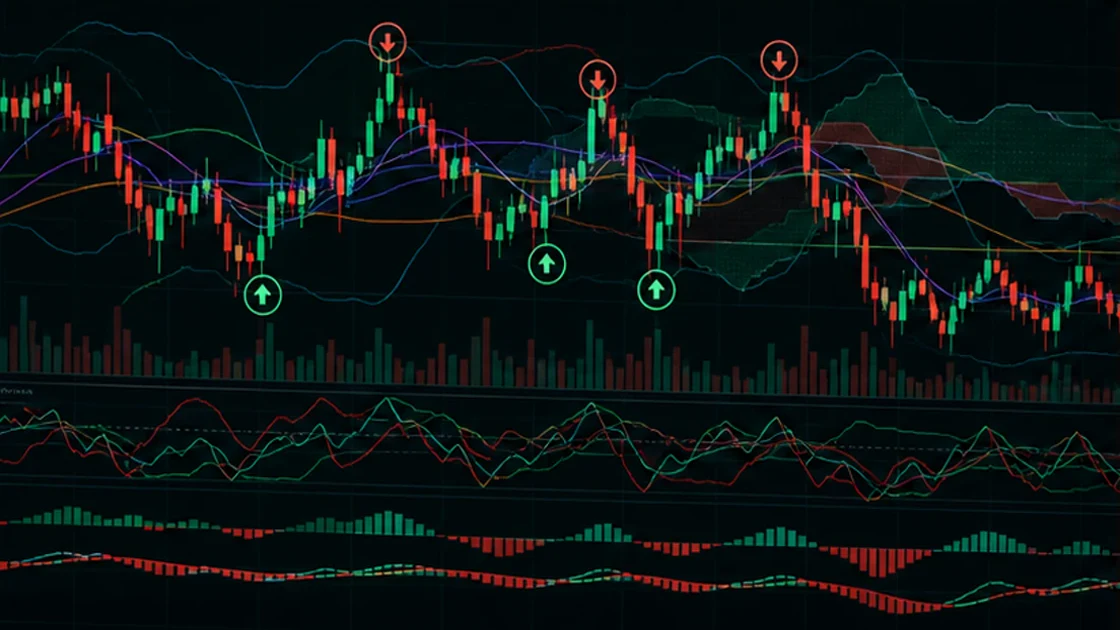
Pick one signal style and test it for twenty examples on demo. Record the asset, direction, reason, chart context, expiry, result and your feeling before entry. After twenty examples, calculate how many signals were clear, late, random or emotionally tempting. This turns signals into training data for your own eye.
8. Build your personal signal scorecard
Give every signal a score from zero to five: source, context, timing, confirmation and risk. Trade only when the score is strong and the amount is already fixed. Over time, the scorecard teaches a quiet skill: you stop asking whether a signal looks exciting and start asking whether it deserves your money.
Practical route for Quotex signals
Use this route after reading the guide. It turns Quotex signals into a repeatable routine: one idea, one chart check, one risk limit and one clear Quotex action instead of impulsive entries.
- A practical Quotex signals guide for beginners: signal quality, chart confirmation, expiry timing, demo testing, red flags and risk control.
- The best filter is context: trend, support/resistance, candle close, volatility and timing.
- Where Quotex signals can come from
- Anatomy of a useful signal
Write the reason you opened this page in one sentence. Compare it with the guide's core point: A signal is only useful when you understand why it appears. If the reason is still vague, stay on demo and sharpen the rule before touching a live balance.
Open one asset and connect the idea with the section "What a trading signal should really mean". Do not jump between markets. A clean rehearsal means the same timeframe, the same expiration logic and the same condition for skipping the trade.
Before any real click, set the amount, the daily stop and the maximum number of attempts. Keep this filter beside the chart: Trading involves risk. Compare the platform, read the rules and never trade funds you cannot afford to lose. A strong trader protects attention first, capital second and ego never.
If the checklist still holds, use the most relevant path: Registration. If the context changes, compare it with Fast entry or Android app. The best route is the one that matches the reader's goal, not the loudest button.
Use the guide like a trading plan
A visitor searching for Quotex signals usually needs a direct answer, not hype. This guide connects that question with A practical Quotex signals guide for beginners: signal quality, chart confirmation, expiry timing, demo testing, red flags and risk control. and keeps the focus on the decision a beginner actually has to make next.
A calm trader does not turn one paragraph into a signal. Read the key points, compare them with the chart, then ask whether timing, amount and risk still agree. The strongest idea in this page is simple: A signal is only useful when you understand why it appears.
When the idea is clear, move in order: open the right Quotex route, practise the workflow on demo and only then decide whether Registration, Fast entry or Android app fits the session. If the rule feels rushed, the better decision is patience.
- The best filter is context: trend, support/resistance, candle close, volatility and timing.
- Guaranteed profit, pressure to act fast and hidden signal sources are red flags.
- Demo tracking turns signals into practice instead of blind copying.
- Trading involves risk. Compare the platform, read the rules and never trade funds you cannot afford to lose.
Quick answers
Are Quotex signals guaranteed to work?
No. A signal is only a market idea. It needs chart confirmation, timing, risk control and demo testing.
Can beginners use trading signals?
Beginners can use signals as practice prompts, but copying them blindly is risky. Demo review should come before real money.
What makes a signal high quality?
A high-quality signal has a clear source, asset, direction, reason, timing logic, confirmation rule and risk limit.
Should I join paid signal groups?
Be cautious. Avoid any group that promises guaranteed profit, pressures fast deposits or hides the logic behind each signal.
How do I test signals on Quotex?
Use demo, collect at least twenty examples, screenshot the chart context and review which signals were clear, late or random.
How should a beginner use Quotex signals?
Treat Quotex signals as a decision filter, not as a signal by itself. Start with the page's main idea: A signal is only useful when you understand why it appears. Then check one chart, one timeframe and one amount on demo before any real-money step.
What should I check before applying What a trading signal should really mean?
Check whether the market still matches the section "What a trading signal should really mean", whether The best filter is context: trend, support/resistance, candle close, volatility and timing. is true on the chart and whether your amount fits the planned risk. If one part is missing, skipping is the professional choice.
Is Quotex signals enough to open a trade?
No. The topic can help you read the situation, but a trade still needs timing, expiry logic, risk limit and a reason to stay out. The useful line from this guide is: Guaranteed profit, pressure to act fast and hidden signal sources are red flags.
Next step
Choose a topic by task: brokers for platform selection, guides for access, strategies for setups, risk for discipline and investing for longer market logic.